Discover Malaysia

Beautiful Destinations, Unforgettable Experiences

Your modern guide to explore Malaysia's best islands, cities, resorts, food, and budget travel tips.

title

welcome to malaysia

The Best Family-Friendly Theme Parks in Kuala Lumpur: A Practical Guide for Parents Who Want an Easy Fun Day

Kuala Lumpur is a pretty decent city for a family trip, especially when the kids are done with sightseeing.

You can take them to the Petronas Twin Towers, walk around malls, try local food, visit museums… all good. But after a while, most children reach their limit. They don’t want another “nice building.” They want to run, splash, climb, scream a little, or do something that feels like it was actually made for them.

That’s where theme parks help.

This guide to The Best Family-Friendly Theme Parks in Kuala Lumpur is for real family travel. Not the perfect version where everyone wakes up cheerful, eats breakfast calmly, and follows the itinerary without complaint. I mean the normal version: someone is tired, someone forgot socks, someone suddenly wants fries, and traffic is somehow worse than expected.

Here’s what’s worth knowing before you go.

A few places on this list are technically outside Kuala Lumpur, in Selangor or Putrajaya. But if you’re visiting KL, they’re still part of the wider family travel area. Plenty of tourists visit them from the city.

1. Sunway Lagoon — Best Big Day Out for Families

If you only want to choose one big theme park near KL, Sunway Lagoon is probably the easiest recommendation.

It’s big, busy, wet, noisy, and tiring. In a good way.

Sunway Lagoon sits in Sunway City and has water attractions, dry rides, wildlife areas, and thrill activities. This is not a “drop by for one hour” kind of park. It’s a proper full-day outing, and by the end of it, everyone will probably be a bit sunburned, hungry, and ready to sit down.

Honestly, that usually means the day worked.

Why Families Like Sunway Lagoon

Sunway Lagoon works because different ages can enjoy different things.

Younger kids can stay around the water play areas. Older kids and teens usually go for slides, wave pools, and thrill rides. Parents can join in too, though let’s be real, one adult often becomes the official towel-and-bag guard.

Best for:

  • Families with kids aged 5 and above
  • Teens who like water slides and bigger rides
  • A full-day family activity
  • Travelers staying near Sunway, Petaling Jaya, Subang, or nearby areas
  • Families who prefer one major activity instead of several small stops

How to Get There

From central KL, Grab or taxi is the easiest option, especially with children.

Yes, public transport is possible. But once you add swimwear, towels, dry clothes, sunscreen, snacks, and tired kids into the equation, convenience matters. I’d rather save the energy for the park itself.

If you’re coming from Bukit Bintang or KLCC, leave earlier than you think you need to. KL traffic can be annoying. A journey that looks simple on the map can stretch out, especially during peak hours.

Best Time to Visit

Weekdays are better if you can manage it.

Weekends and school holidays can get crowded, and queues feel extra long when everyone is hot and wet. Try to arrive close to opening time. Get your locker sorted, change quickly, and head to the popular attractions before the crowd builds.

Plan for a full day.

A half-day visit can work, but if you’re already paying for tickets and transport, you might as well give it proper time.

Food Around Sunway Lagoon

There’s food inside the park, but like most theme parks, prices can feel a bit high for what you get.

Sunway Pyramid mall is right next door, which makes life easier. A lot of locals prefer eating properly before or after the park.

Nearby options are easy:

  • Chicken rice
  • Nasi lemak
  • Fast food for picky eaters
  • Mall food court meals
  • Roti, noodles, and rice dishes
  • Ice cream or dessert after the park

With kids, I’d keep meals simple. A peaceful meal beats a “special” meal that nobody actually wants to eat.

Practical Tips

Bring:

  • Swimwear
  • Sunscreen
  • Dry clothes
  • Small towel
  • Waterproof phone pouch
  • Flip-flops or sandals
  • Plastic bag for wet clothes
  • Cash or card for lockers and food

Small warning: water parks drain people faster than expected. The heat, walking, stairs, queues, noise, and wet clothes all add up.

Maybe don’t book a fancy dinner right after. Unless your family has superpowers.

2. Berjaya Times Square Theme Park — Best Indoor Theme Park in Central KL

Berjaya Times Square Theme Park is one of the easiest choices if you’re staying around Bukit Bintang.

It’s inside a mall. That alone solves half the problems.

Air-conditioning. Toilets nearby. Food everywhere. No sunscreen. No rain issues. No long outdoor walking.

Honestly, sometimes that’s exactly what a family day needs.

It’s not as huge as Sunway Lagoon, but it’s convenient. And convenience can make or break a day with kids.

Why Families Like It

Berjaya Times Square Theme Park is good when you want something fun without leaving central KL.

There are thrill rides for older kids and gentler rides for younger ones. The indoor roller coaster usually gets the most attention, but check height requirements before promising anything.

A child finding out they’re too short for the ride they’ve been excited about? Not fun. For anyone.

Best for:

  • Families staying in Bukit Bintang
  • Rainy days
  • Younger kids and pre-teens
  • A half-day activity
  • Parents who want easy mall food nearby

How to Get There

Take the monorail to Imbi station. Very straightforward.

Grab works too, but traffic around Bukit Bintang can move slowly, especially later in the day. If you’re already nearby, walking or taking the monorail may be easier.

How Much Time Do You Need?

Around 2 to 4 hours is usually enough.

Younger kids may be done sooner. Older kids who like rides may want more time. Since it’s inside a mall, you can easily pair it with lunch, shopping, or a relaxed evening.

Food Tips

This is where Berjaya Times Square wins. Food is easy.

You’ll find:

  • Food court meals
  • Fast food
  • Bubble tea
  • Snacks
  • Rice and noodle dishes
  • Simple desserts

This is the park I’d choose when the family is already a bit tired but still needs something fun before dinner.

Low effort. Decent reward.

Practical Tips

  • Check ride maintenance before going.
  • Bring socks if the kids may use play areas.
  • Don’t carry too much; you’ll be walking around a mall.
  • Keep expectations realistic. It’s fun, but it’s not a massive outdoor resort park.

3. KidZania Kuala Lumpur — Best for Kids Who Like Role Play

KidZania is different from a normal theme park.

There are no big roller coasters or water slides. It’s an indoor role-play city where kids try different jobs and activities. Some children love it straight away. Some need time to understand how it works.

If your child likes pretend play, independence, and “grown-up” activities, KidZania can be a really good pick.

Why Families Like It

KidZania gives kids something more interactive than just sitting on rides. They can try different jobs, earn KidZania money, and move from one activity to another.

It’s especially nice for children who like making their own choices.

Best for:

  • Kids around 4 to 12
  • Families who want an educational indoor activity
  • Rainy days
  • Parents who prefer something less physically tiring
  • Children who enjoy pretend play

How to Get There

KidZania is at The Curve in Mutiara Damansara, Petaling Jaya.

From central KL, Grab is usually the simplest option. Public transport may work depending on where you’re staying, but with kids, a direct ride is easier.

The Curve area has malls, restaurants, and shops nearby, so lunch or dinner is easy to plan.

How Much Time Do You Need?

Plan around 4 to 5 hours.

Some kids will want longer. Others may get tired after a few activities, especially younger ones.

The beginner frustration here is queues. Popular activities can have waiting time, and kids don’t always understand why they can’t just walk in immediately.

A useful approach: help your child choose a few top activities first. Don’t try to do everything. That’s when it starts getting stressful.

Food Tips

Eat before going in if your child gets hungry easily.

There are plenty of food options around The Curve and nearby malls: rice dishes, noodles, Western food, cafés, snacks, the usual family-friendly mix.

Personally, I’d feed everyone properly first. Hungry kids plus queues is not a combination I’d recommend.

Practical Tips

  • Book tickets online in advance.
  • Arrive early.
  • Explain the role-play concept before entering.
  • Let kids choose some activities themselves.
  • Wear comfortable shoes.
  • Don’t plan every minute.

Part of the fun is letting kids explore a little.

4. District 21 — Best for Active Kids and Teens

District 21 is inside IOI City Mall in Putrajaya. It’s not in central KL, but many families still make the trip because it’s indoors, active, and different from the usual ride-based parks.

This is more of an adventure park. Expect climbing, balancing, sliding, and obstacle-style activities.

It’s indoors, yes. But don’t assume that means relaxing.

You may still sweat.

Why Families Like It

District 21 is better for older kids, teens, and adults who enjoy physical activities. It’s probably not the best fit for very young children or kids who dislike climbing and challenges.

Best for:

  • Older kids and teens
  • Active families
  • Rainy or very hot days
  • Groups with mixed ages
  • Families who want something more physical than walking around a mall

How to Get There

Driving or Grab is easiest.

IOI City Mall is in Putrajaya, so don’t treat it like a quick stop between KLCC and dinner. Give yourself enough travel time, especially if you’re coming from central KL.

The good part: IOI City Mall is huge and very family-friendly. Food, toilets, shops, and rest areas are easy to find.

How Much Time Do You Need?

Around 2 to 4 hours is enough for most families.

If your kids are very active, they may want longer. If they tire quickly, two hours may be plenty.

Food Tips

IOI City Mall has lots of food choices, from local meals to familiar chain restaurants.

This helps because after physical activities, kids often want food immediately. Not in 20 minutes. Immediately.

Practical Tips

  • Wear sportswear.
  • Bring socks if required.
  • Avoid long dresses or loose clothing.
  • Check age, height, and safety rules.
  • Don’t overestimate everyone’s stamina.

Indoor adventure parks can tire people out faster than expected.

5. SuperPark Malaysia — Best Indoor Play Park Near KLCC

SuperPark Malaysia is at Avenue K, right near KLCC.

This makes it one of the easiest family attractions if you’re staying near the Petronas Twin Towers area. No long journey needed. You can combine it with KLCC, Avenue K, or food nearby.

SuperPark is more about active play than theme park rides. Think climbing, games, sports-style activities, and movement.

Why Families Like It

SuperPark is handy when kids have too much energy and you need an indoor place that’s easy to reach.

It’s not a full-day theme park. It works better as a short, active session between sightseeing, shopping, or meals.

Best for:

  • Families staying near KLCC
  • Active children
  • Rainy afternoons
  • Short activity blocks
  • Parents who want something central and easy

How to Get There

Take the LRT to KLCC station and walk into Avenue K.

Grab is easy too, but KLCC traffic can be slow. If you’re already nearby, public transport or walking through connected areas may be smoother.

How Much Time Do You Need?

Around 2 to 3 hours is enough for most families.

Younger kids may tire earlier. Older kids may want to repeat activities.

Food Tips

Avenue K and KLCC have plenty of food options.

You can find:

  • Local food courts
  • Cafés
  • Fast food
  • Japanese or Korean meals
  • Snacks and desserts

Easy food access is always a win.

Practical Tips

  • Check session times before going.
  • Bring socks.
  • Dress kids in comfortable clothes.
  • Avoid going right after a heavy meal.
  • Keep water nearby.

Running and jumping after a big lunch is rarely a good idea.

6. ESCAPE Petaling Jaya — Best for Climbing and Physical Challenges

ESCAPE Petaling Jaya is at Paradigm Mall in Kelana Jaya.

It’s more adventure-style than traditional theme park. Expect climbing, ropes, slides, and activities that need movement and confidence.

This one suits kids who enjoy a challenge. If your child prefers gentle rides or gets nervous with heights, start slow.

Why Families Like It

ESCAPE is fun because kids are not just sitting on rides. They’re climbing, balancing, trying, failing, and trying again.

That can be good for confidence.

Best for:

  • Active kids
  • Teens
  • Families who like physical challenges
  • Rainy-day plans
  • Repeat visitors looking for something different

How to Get There

Grab is easiest from KL, though traffic can affect the journey.

If you’re already around Petaling Jaya or Kelana Jaya, it’s much more convenient.

Practical Tips

  • Wear proper shoes.
  • Choose comfortable clothes.
  • Check safety rules and height limits.
  • Don’t push nervous kids too hard.
  • Let them try easier activities first.

The nice thing about parks like this is that kids often surprise themselves. The tricky part? Someone may freeze halfway through an obstacle and need encouragement.

Be patient. It happens.

Best Time to Visit KL Theme Parks with Family

For outdoor parks like Sunway Lagoon, weekdays are best if your schedule allows.

Go early. The heat builds quickly, and queues are easier to handle in the morning.

For indoor parks like Berjaya Times Square Theme Park, KidZania, District 21, SuperPark, and ESCAPE PJ, rainy days are fine. That’s one reason indoor attractions in KL are so useful.

Weekends and school holidays still get busy, though.

A simple guide:

  • Weekdays: Fewer crowds
  • Weekends: More energy, but longer queues
  • School holidays: Book early and expect crowds
  • Morning sessions: Usually smoother with kids
  • Late afternoon: Better for shorter indoor visits

Realistic Budget Expectations

Theme park days in Kuala Lumpur can add up.

Tickets are only one part of it. You also need to think about transport, food, lockers, socks, drinks, waterproof pouches, and the random little things kids suddenly ask for.

A rough guide:

  • Sunway Lagoon: Higher budget, full-day outing
  • Berjaya Times Square Theme Park: Mid-range, easy half-day
  • KidZania Kuala Lumpur: Mid to higher budget, educational indoor activity
  • District 21: Mid-range, physical indoor park
  • SuperPark Malaysia: Mid-range, shorter session-style visit
  • ESCAPE Petaling Jaya: Mid-range, adventure-style park

Money-saving tips:

  • Book online when possible.
  • Check weekday deals.
  • Look for family bundles.
  • Bring water where allowed.
  • Eat outside the park if re-entry rules allow.
  • Don’t buy every add-on unless it’s really worth it.

It’s usually the small costs that sneak up on you.

What to Pack for a Family Theme Park Day in KL

Pack light, but don’t go empty-handed.

Bring:

  • Water bottles
  • Wet wipes
  • Small towel
  • Socks
  • Power bank
  • Extra shirt for kids
  • Light jacket for indoor parks
  • Snacks, if allowed
  • Hand sanitizer
  • Small first-aid basics

For Sunway Lagoon, add:

  • Swimwear
  • Sunscreen
  • Dry bag
  • Flip-flops
  • Waterproof phone pouch
  • Plastic bag for wet clothes

For adventure parks, add:

  • Sports shoes
  • Comfortable clothing
  • Hair ties
  • No dangling accessories

One small parent tip: bring an extra plastic bag.

Wet clothes. Dirty socks. Half-eaten snacks. Mystery items. Somehow, you’ll use it.

Local Food Recommendations Around Theme Parks

With family travel, food convenience matters more than people admit.

Here’s the practical version:

  • Sunway Lagoon: Eat at Sunway Pyramid before or after.
  • Berjaya Times Square: Use the mall food court or nearby Bukit Bintang spots.
  • KidZania: Eat around The Curve or nearby malls.
  • District 21: IOI City Mall has plenty of family-friendly restaurants.
  • SuperPark: Avenue K and KLCC have many easy options.
  • ESCAPE PJ: Paradigm Mall has simple mall dining.

What locals actually eat is usually quick and filling: chicken rice, nasi lemak, fried noodles, mixed rice, roti canai, or simple mall food.

With kids, predictable food often wins. A calm meal is better than a fancy one nobody enjoys.

Common Mistakes Families Make

Trying to Visit Too Many Parks

Two big parks in one day sounds efficient.

It’s not.

Everyone ends up tired, sweaty, overstimulated, and slightly annoyed.

Forgetting Socks

Many indoor parks require socks. You can usually buy them there, but it’s one of those small expenses that feels irritating because you know you had socks back at the hotel.

Not Checking Height Limits

Always check ride or activity requirements before building excitement around a specific attraction.

This saves tears. Sometimes adult tears too.

Arriving Late at Outdoor Parks

For Sunway Lagoon, late arrival means hotter weather, bigger crowds, and less value for your ticket.

Go early if you can.

Underestimating KL Traffic

A 25-minute ride can become much longer during peak hours. Add buffer time, especially if you have timed tickets.

Dressing Kids for Photos Instead of Comfort

Cute outfits are nice.

Comfortable clothes are better.

Especially when climbing, running, sweating, or sitting in a Grab ride back half-asleep.

Final Thoughts: Which Family-Friendly Theme Park in Kuala Lumpur Should You Choose?

If you want the biggest all-in-one experience, choose Sunway Lagoon.

If you want something easy in central KL, choose Berjaya Times Square Theme Park.

If your kids enjoy pretend play and learning, choose KidZania Kuala Lumpur.

If they need to burn energy indoors, look at SuperPark Malaysia, District 21, or ESCAPE Petaling Jaya.

The best choice depends on your kids’ ages, energy levels, budget, and where you’re staying. That matters more than any ranking.

For most families visiting Kuala Lumpur, I’d pick one major full-day park and one smaller indoor activity. That gives you enough fun without turning the trip into a tiring checklist.

And if the kids fall asleep in the Grab ride back?

That’s usually a successful theme park day.

Exploring the Caves of Mulu National Park: A Local Traveler’s Guide to Sarawak’s Underground Wonder

The first thing I always tell friends about Mulu is this: don’t come expecting a normal national park trip. Gunung Mulu National Park feels different the moment your small plane dips over the rainforest. No highways are rolling in, no easy city escape route, and no quick “drop by for photos” kind of travel. Mulu makes you slow down.

And honestly, that is the best part.

This UNESCO World Heritage Site in northern Sarawak is famous for its huge caves, limestone karst, rainforest trails, rivers, bats, and that deep jungle silence you only notice after your phone signal disappears. UNESCO lists the park at 52,864 hectares, with at least 295 km of explored caves and the Sarawak Chamber described as the largest known cave chamber in the world.

Why Mulu’s Caves Are So Special

Mulu is not just “a place with caves.” It is one of the most impressive cave landscapes in Southeast Asia. The four main show caves—Deer Cave, Lang Cave, Wind Cave, and Clearwater Cave—are accessible from park headquarters through guided day tours, boardwalks, river rides, and well-marked paths.

Deer Cave and the Bat Exodus

Deer Cave is the one that stays in your memory. The entrance is so massive that people go quiet when they first see it. Inside, the smell of guano reminds you this is not a polished theme-park cave. It is alive.

The highlight comes near dusk, when millions of bats may spiral out of the cave entrance in long, smoky ribbons across the sky. It does not happen every evening—heavy rain can spoil the show—but when it does, everyone at the viewing area suddenly becomes a child again.

Insider tip: Don’t rush back after the Deer Cave tour. Bring a light snack, sit at the bat observatory, and wait patiently. The best moments in Mulu usually reward people who are not in a hurry.

Lang Cave: Small but Beautiful

Lang Cave is usually paired with Deer Cave, and while it is smaller, it has lovely formations. I like it because it gives you time to slow your eyes down. After the drama of Deer Cave, Lang Cave feels more detailed, with stalactites, stalagmites, and soft lighting that makes the rock textures easier to appreciate.

Clearwater Cave and Wind Cave

Clearwater Cave is reached by longboat, which is half the fun. The river ride passes forest, limestone cliffs, and small local settlements. Wind Cave has cool air flowing through its passages, while Clearwater Cave opens into a huge underground system with a river running through it.

After the tour, many travelers swim at the Clearwater picnic area. The water is cold, clean, and exactly what your body wants after walking in Sarawak humidity.

How to Get to Mulu National Park

Mulu is remote, so flying is the easiest and most common way in. Miri is the main gateway, and flights also operate from other Malaysian Borneo cities depending on current schedules. The local Mulu travel operator notes scheduled services to Mulu from Miri, Kuching, and Kota Kinabalu, so always check the latest routes before booking.

The Usual Route

Most travelers do this:

  • Fly to Miri, Sarawak
  • Take a short flight from Miri to Mulu Airport
  • From Mulu Airport, go to your accommodation or the park headquarters

The airport is very close to the park area. Some accommodations provide transfers, and depending on where you stay, it may even be possible to walk light luggage in good weather. One travel source notes the park entrance is around 1.5 km from the airport.

Can You Go by Road?

Not in the normal tourist sense. Mulu is not a simple drive-in destination. That is part of its charm. Once you accept that the plane is part of the adventure, the whole trip feels easier.

Insider tip: Build buffer time into your travel plan. Weather can affect small aircraft routes in Borneo. I would not schedule an international connection too tightly after leaving Mulu.

Best Time to Visit Mulu

Mulu is open year-round, but rainforest is rainforest. Rain can happen any month. The drier months are generally better for walking, cave tours, photography, and river activities. Many travelers aim for the mid-year period, often around June to September, when conditions tend to be more comfortable for outdoor plans.

That said, I have learned not to fear a little rain in Sarawak. The forest looks richer after rain, frogs and insects become louder, and the mist around the limestone cliffs gives Mulu a mood you do not get in dry weather.

How Many Days Do You Need?

For a first visit, I recommend 3 days and 2 nights minimum. That gives you enough time for:

  • Deer Cave and Lang Cave
  • Bat exodus viewing
  • Wind Cave and Clearwater Cave
  • A short night walk or easy forest trail

If you can spare the time, 4 to 5 days is better. The official park entry pass is valid for 5 calendar days, though tours and activities cost extra.

With extra days, you can add the canopy walk, adventure caving, the Garden of Eden walk, or a longer trek if you are fit and prepared.

Where to Stay

You have a few practical choices:

Inside or Near Park HQ

Staying near park headquarters is convenient if your main focus is cave tours. You can walk to tour meeting points, the café, and trails without worrying too much about transport.

Local Homestays

Homestays outside the park are great if you like simple rooms, local hosts, and a more grounded feel. You may need to arrange transport to the park entrance, especially at night or during rain.

Mulu Marriott

For more comfort, the Marriott is the polished option, with resort-style rooms and rainforest surroundings. It is pricier, but good for travelers who want nature during the day and proper comfort at night.

What to Eat in Mulu: Local Food Tips

Food in Mulu is simple, but that does not mean boring. You are deep in the rainforest, so do not expect a huge café scene. The trick is to eat what is fresh, local, and available that day.

Look out for:

  • Sarawak laksa if available — spicy, coconut-rich, and perfect after a morning walk
  • Kolo mee — dry tossed noodles, usually eaten for breakfast
  • Manok pansoh-style chicken — bamboo-cooked chicken when offered by local hosts
  • Midin belacan — jungle fern stir-fried with shrimp paste
  • Umai — a Melanau raw fish dish, more common in coastal Sarawak but worth trying if you see it before or after Mulu in Miri
  • Local river fish when homestays serve it fresh

The park café is convenient for meals between tours, but my best food memories in Mulu usually came from small local eateries and homestay kitchens. Ask your host what they are cooking, not just what is printed on a menu.

Insider tip: Bring some snacks from Miri—nuts, biscuits, instant coffee, electrolyte sachets. Not because you will starve, but because shops are limited and cave tour timing can make you hungry at odd hours.

Hidden Gems and Lesser-Known Things to Do

Most people come for the show caves, but Mulu has quiet corners that deserve attention.

The Night Walk

Do not skip the guided night walk if you like small wildlife. You may spot stick insects, frogs, spiders, sleeping birds, and glowing fungi. It changes the way you see the rainforest.

The Canopy Walk

Mulu’s canopy walk gives you a different view of the forest. It is not scary if you are okay with heights, but it does sway a little. Go early if you can, when the air is cooler.

Paku Waterfall

If you want a gentler walk away from the main cave crowds, ask about Paku Waterfall. It is not a huge dramatic waterfall, but the trail is peaceful and gives you that satisfying “I actually walked in the jungle” feeling.

Watch the Small Details

One of my favorite Mulu moments was not inside a cave. It was watching a line of ants carry leaf pieces across the path while everyone else rushed to a tour meeting point. Mulu is full of these tiny scenes.

What to Pack for Mulu

Pack for humidity, wet ground, cave darkness, and sudden rain.

Bring:

  • Lightweight quick-dry clothes
  • A rain jacket or poncho
  • Comfortable walking shoes with grip
  • Sandals for relaxing after tours
  • A dry bag for electronics
  • Torch or headlamp
  • Insect repellent
  • Refillable water bottle
  • Swimwear for Clearwater
  • Small towel
  • Power bank
  • Basic medicine and blister plasters

Avoid heavy jeans. They get damp, stay damp, and make you miserable.

Dress Code and Comfort

For cave tours, wear clothes you can sweat in. Shorts are fine, but lightweight long pants help protect against insects and scratches. In the caves, paths can be wet, so footwear matters more than looking stylish.

For local villages and homestays, dress modestly and casually. Sarawak is relaxed, but being respectful goes a long way.

Safety and Local Customs

Mulu is well organized, but nature still makes the rules.

Keep these in mind:

  • Stay on marked paths and boardwalks
  • Do not enter caves without a guide
  • Do not touch formations inside the caves
  • Bring enough water on every tour
  • Listen to your guide during river crossings or wet weather
  • Do not feed wildlife
  • Carry your rubbish back with you

The caves may feel solid and ancient, but they are sensitive environments. A careless touch can damage formations that took thousands of years to grow.

Insider tip: When a local guide tells you to move, wait, or avoid a certain spot, just follow. They read the weather, river, cave paths, and forest better than any visitor can.

A Simple 3-Day Mulu Itinerary

Day 1: Arrival, Deer Cave, Lang Cave, Bat Exodus

Arrive in Mulu, check in, register at park HQ, and join the afternoon Deer Cave and Lang Cave tour. Stay for the bat exodus if weather allows.

Day 2: Wind Cave, Clearwater Cave, Swim

Take the longboat tour to Wind Cave and Clearwater Cave. Swim at Clearwater after the cave visit. In the evening, join a night walk if you still have energy.

Day 3: Canopy Walk or Short Trail, Fly Out

Do the canopy walk, Paku Waterfall, or a gentle forest trail before your flight. Keep your final morning flexible in case of rain.

Final Thoughts: Why Mulu Stays With You

Mulu is not just beautiful. It feels old, wild, and honest. The caves make you feel small in the best possible way. The forest teaches you to listen. The river rides remind you that travel does not always need to be fast to be exciting.

If you are planning a Sarawak trip and want something beyond city cafés, beach resorts, and quick photo stops, give Mulu enough time. Come with good shoes, a patient heart, and space in your itinerary.

You will leave with muddy soles, too many cave photos, and a strange longing for the sound of rainforest rain on a wooden roof.

Squid Jigging in Kemaman, Terengganu: A Fun Night Out at Sea

Planning to try squid jigging in Kemaman, Terengganu? Here’s a casual guide on how to get there, what to bring, and what the night fishing experience feels like.

Squid Jigging (Mencandat Sotong) in Kemaman, Terengganu

Some travel experiences stay with you not because they are fancy, but because they feel real. Squid jigging in Kemaman, Terengganu is one of them.

It is simple, a little unpredictable, and honestly quite fun — especially if you enjoy the sea, night breeze, and trying something different from the usual beach holiday.

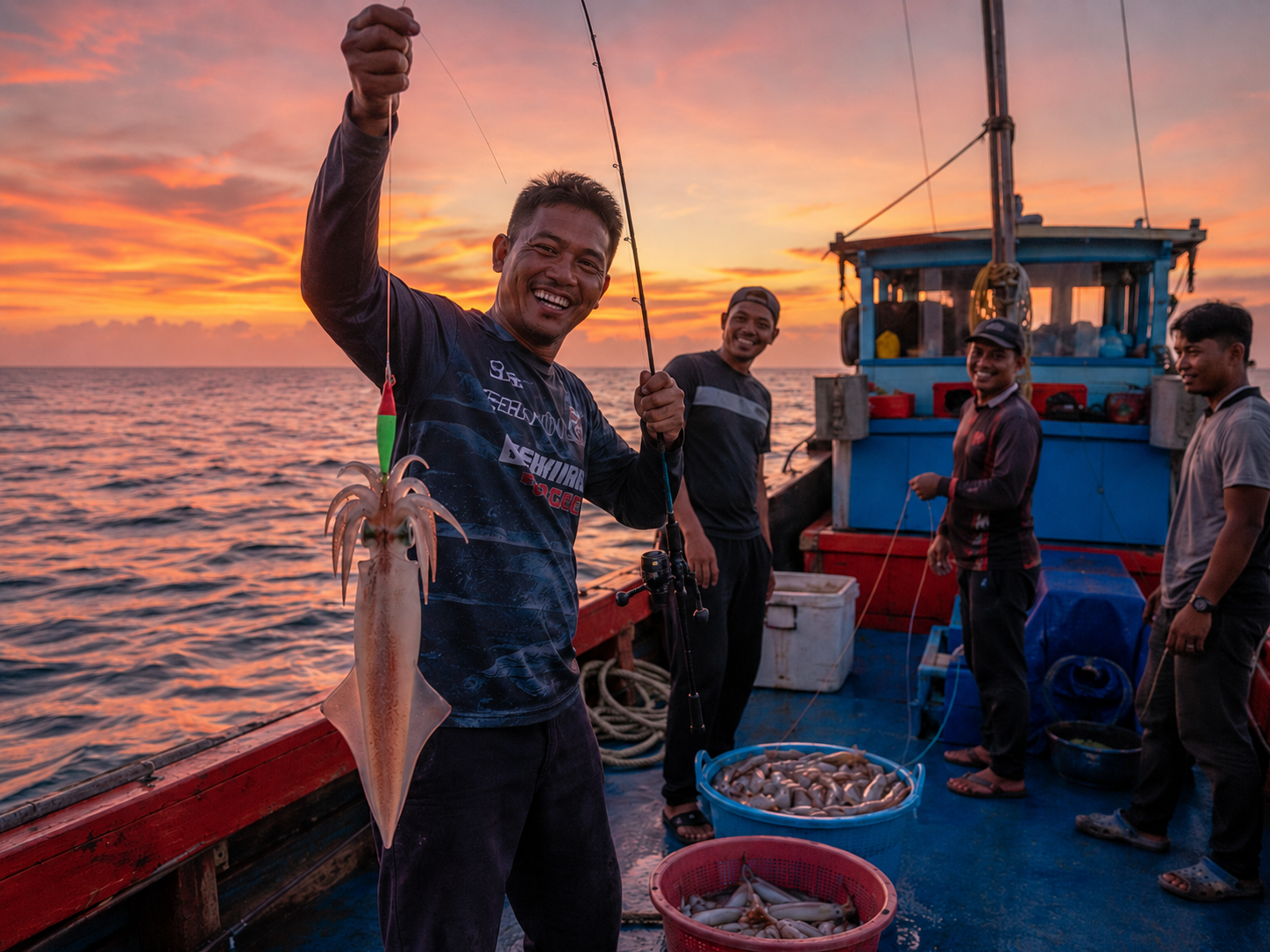
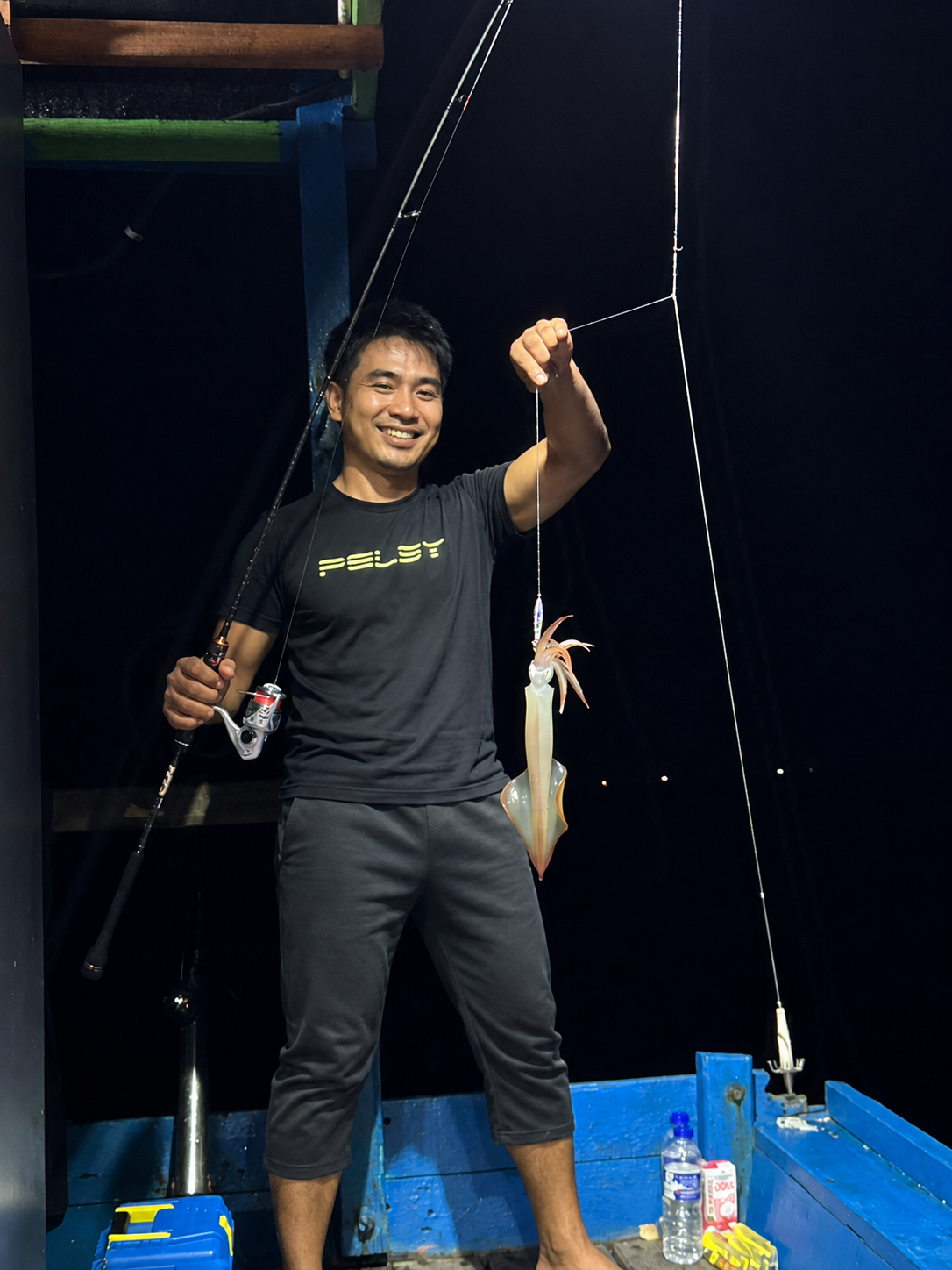
In Kemaman, squid jigging is not just about catching squid. It is about heading out with a local boatman, waiting under the night sky, laughing when someone gets sprayed with squid ink, and feeling that small excitement when your line suddenly gets heavier.

Even if you come back with only a few squid, the experience itself is already worth the trip.

Where Is Kemaman?

Kemaman is located in the southern part of Terengganu, close to the Pahang border. If you are coming from Kuantan or Cherating, it is an easy drive up the coast.

The main town is Chukai, and around Kemaman you will find fishing villages, coastal areas, seafood restaurants, and quiet seaside spots. It is not as busy as some tourist towns, which is part of its charm.

Most squid jigging trips usually start from a local jetty or fishing village. The exact meeting point depends on the boat operator, so make sure you confirm the location before your trip.

How to Get to Kemaman

From Kuala Lumpur

If you are driving from Kuala Lumpur, the usual route is through the East Coast Expressway towards Kuantan, then continue to Kemaman.

A simple route would be:

Kuala Lumpur → Karak → East Coast Expressway → Kuantan → Cherating → Kemaman

The journey can take a few hours, depending on traffic and how many times you stop along the way. It is a nice road trip if you enjoy driving towards the East Coast.

Try to leave early so you do not feel rushed. If your squid jigging trip starts in the evening, it is better to arrive in Kemaman with enough time to check in, rest, eat, and get ready.

From Kuantan or Cherating

Kemaman is very convenient if you are already in Kuantan or Cherating.

You can spend the day around Cherating, enjoy the beach or grab something to eat, then continue to Kemaman for the squid jigging trip at night.

A nice short itinerary could look like this:

Kuantan → Cherating → Kemaman → Kijal

This makes the trip feel more relaxed instead of driving all the way just for one activity.

By Bus

If you are not driving, you can take an express bus to Kemaman or Chukai. From there, use local transport, taxi, or e-hailing to reach your accommodation or meeting point.

Just make sure your arrival time matches the trip schedule. Squid jigging trips usually begin in the evening, so arriving too late can be stressful.

When Is the Best Time to Go Squid Jigging?

Squid jigging in Terengganu is seasonal. It usually happens during the calmer months, when the sea conditions are better, and squid are more active.

Many locals and operators recommend the season from March to August, but the exact timing can vary depending on weather and sea conditions.

Before booking, check with the boat operator. Ask them whether it is a good time to go, whether the sea is calm, and what happens if the weather turns bad.

The sea can be unpredictable, so it is always better to listen to the locals.

What to Bring for Squid Jigging

You do not need to buy a lot of expensive fishing gear, especially if this is your first time. Most operators will provide the basic equipment.

Still, there are a few things that can make your night more comfortable.

1. Squid Jig

The main tool is called a squid jig, or candat in Malay. It looks like a small colourful lure with hooks at the bottom.

Some are bright, some glow in the dark, and some are designed to move nicely in the water. The idea is to attract squid so they grab onto it.

If you are a beginner, just use what the operator provides. No need to overthink it.

2. Fishing Line or Light Rod

Some trips use a handline, while others may use a light rod. A handline is simple and easy enough for beginners.

You lower the jig into the water, wait a bit, then move it up and down gently. That is basically the rhythm.

It sounds easy, but when you are actually on the boat, trying to feel whether something is pulling your line, it becomes surprisingly exciting.

3. Comfortable Clothes

Wear something light and comfortable. You might get wet, especially if the sea is a little choppy or if a squid decides to spray ink at the wrong moment.

Bring:

  • A light jacket
  • Extra clothes
  • Small towel
  • Slippers or rubber shoes
  • Waterproof bag
  • Plastic bag for wet clothes
  • Cap or head cover

It can get breezy at night, so a jacket is always a good idea.

4. Seasickness Medicine

This one is important. If you are not used to being on a boat, take seasickness medicine before the trip.

Do not wait until you are already feeling dizzy. Once the boat is out at sea, there is not much you can do except sit quietly and regret your life choices.

Take it early and enjoy the trip properly.

5. Snacks and Drinking Water

Some boat packages include food and drinks, but it is still smart to bring your own water and light snacks.

You may be out at sea for a few hours, and the night can feel longer when you are hungry.

What the Experience Feels Like

The trip usually starts in the late afternoon or evening. Everyone gathers at the jetty, the boatman gives a short briefing, and then you put on your life jacket before getting on the boat.

At first, everything feels calm. The boat moves away from shore, the sky slowly changes colour, and the lights from land begin to look smaller.

This is one of the nicest parts of the trip. The wind, the sea, the sunset — it feels peaceful.

Then, once the boat reaches the squid jigging spot, the lights are turned on. Everyone finds a place by the side of the boat and lowers their jig into the water.

For the first few minutes, you may not feel anything.

You wait.

You lift the line a little.

You drop it again.

You wonder if you are doing it wrong.

Then suddenly, the line feels slightly heavier.

Not a strong pull like a big fish. More like something is hanging onto it.

You slowly pull it up, and there it is — your first squid under the boat lights.

That small moment is what makes the whole trip fun.

The Funny Part: Squid Ink

One thing you should know: squid can spray ink.

Sometimes it happens when you pull them up. Sometimes it happens when you least expect it. And sometimes, unfortunately, it happens directly at someone’s shirt.

But that is part of the fun.

You will probably hear people laughing, shouting, and teasing each other on the boat. It becomes less like a serious fishing trip and more like a shared night adventure.

So do not wear your nicest outfit.

Simple Technique for Beginners

You do not need to be a fishing expert to enjoy squid jigging.

Here is the basic idea:

Lower the squid jig into the water and let it sink. Then gently lift and drop the line. Keep doing it slowly. If you feel the line getting heavier, pull it up steadily.

That is it.

A few beginner tips:

  • Do not pull too hard.
  • Keep your movement smooth.
  • Ask the boatman if you are unsure.
  • Try different depths if nothing happens.
  • Stay calm when you catch one.
  • Keep your face away when the squid comes up.

The boatman usually knows where the squid are. So if he tells you to try a certain side of the boat, listen to him.

Is It Suitable for Beginners?

Yes, definitely.

Squid jigging is suitable for beginners, as long as you are comfortable being on a boat at night. You do not need fishing experience.

It can also be fun for families, groups of friends, couples, or even solo travellers who want to try something local.

However, if you are bringing children, check with the operator first. Ask about the boat size, trip duration, safety equipment, and sea conditions.

Why Try Squid Jigging in Kemaman?

Kemaman has a slower, more local feel compared to busier tourist destinations. That makes the experience feel more personal.

You are not just joining a polished tourist attraction. You are getting a small taste of local coastal life — the kind of activity that people here have known for years.

You also get to see a different side of Terengganu. Not just beaches, resorts and seafood restaurants, but the quiet excitement of being at sea after dark.

Some nights, you may catch a lot. Some nights, maybe only a few. But that is how the sea works.

And honestly, that is part of the charm.

Tips Before Booking Your Trip

Before you book, ask the operator a few simple questions:

  • Where is the meeting point?
  • What time does the boat leave?
  • How long is the trip?
  • Is the equipment included?
  • Are life jackets provided?
  • How many people will be on the boat?
  • Is food or drink included?
  • What happens if the weather is bad?
  • Is the trip suitable for beginners or children?

Do not just choose the cheapest option. Choose someone who communicates clearly and takes safety seriously.

What Else to Do Around Kemaman

Since you are already in Kemaman, try to spend a bit more time around the area.

You can:

  • Eat sata and otak-otak.
  • Explore Chukai town.
  • Look for local seafood restaurants.
  • Visit nearby beaches around Kijal.
  • Continue your trip to Cherating.
  • Stay overnight and enjoy a slower East Coast getaway.

If you are coming from Kuala Lumpur, a 2-day 1-night trip is possible, but 3 days 2 nights will feel much more comfortable.

Final Thoughts

Squid jigging in Kemaman is not a luxury activity, and that is exactly why it is special.

It is simple, local, and full of little moments — the boat ride, the sea breeze, the waiting, the first catch, the laughter when someone gets sprayed with ink.

You may not come back with a huge bucket of squid, but you will come back with a good story.

And sometimes, that is the best kind of travel experience.

Discover the Hidden Waterfalls of Taman Negara National Park: A Practical Guide for Curious Traveler

Taman Negara is one of those places that sounds simple when someone describes it.

Rainforest. River. Trails. Boats. Wildlife. Done.

Then you actually arrive in Kuala Tahan, hear the jungle getting louder as the sky gets darker, watch the longboats crossing the river, and suddenly it feels bigger than that. Older. Wetter. Wilder. A bit less predictable too, which is honestly part of the charm.

Most visitors come here for the canopy walkway, jungle trekking, night walks, and river trips. All good choices. But if you want a slightly more adventurous day out, you should try to Discover the Hidden Waterfalls of Taman Negara National Park.

Now, quick honesty check. The waterfalls here aren’t huge dramatic drops like the ones you see on glossy travel posters. They’re more like jungle cascades, rocky river sections, natural pools, and fast-moving water tucked inside the forest. The main waterfall-style spot most travelers visit from Kuala Tahan is Lata Berkoh, and getting there is half the experience.

You’ll probably get wet. Your shoes may suffer. Your hair won’t behave. And if you’re anything like me, you’ll tell yourself you’re “just going to sit near the water” before eventually stepping in anyway.

Worth it? I think so.

What Are the Hidden Waterfalls in Taman Negara Really Like?

When people talk about waterfalls in Taman Negara, they’re usually talking about Lata Berkoh.

It’s not a tall waterfall crashing from a cliff. It’s a stretch of river with boulders, cascades, pools, and jungle all around. The water moves through rocks in layers, creating that rushing sound that makes you want to sit down and stay longer than planned.

What I liked most was that it didn’t feel overly polished. No fancy platforms. No café next to the water. No loud tourist setup. Just river, rocks, trees, and the kind of humidity that makes your shirt stick to your back after five minutes.

That’s Taman Negara.

A bit raw. A bit inconvenient. Very memorable.

The honest pros and cons

Pros:

  • The boat ride itself feels adventurous.
  • The waterfall area feels natural, not overly commercial.
  • It’s a good half-day trip from Kuala Tahan.
  • You get that proper “I’m in the rainforest” feeling.
  • It’s great if you like slow nature experiences rather than crowded attractions.

Cons:

  • It can be slippery and muddy.
  • The water level depends on recent rain.
  • It’s not ideal if you expect a huge waterfall.
  • Boat prices can feel expensive if you’re traveling solo.
  • Leeches may appear after wet weather. Not fun, but manageable.

How to Get to Taman Negara

Most travelers stay in Kuala Tahan, the main gateway village for Taman Negara in Pahang. From the village, you cross the river to reach the national park entrance.

Kuala Tahan itself is small and practical. Don’t expect a polished resort town. You’ll find guesthouses, floating restaurants, small shops, tour counters, and boatmen waiting by the river. It has a slow rhythm, which I actually liked after coming from the city.

From Kuala Lumpur

You have a few options, depending on your travel style.

1. Tourist shuttle or transfer

This is the easiest choice if you don’t want to deal with connections. Many operators offer van or bus transfers from Kuala Lumpur to Kuala Tahan.

It’s not glamorous, but it’s practical. If this is your first time visiting Taman Negara, I’d honestly choose this unless you really enjoy figuring out rural transport.

Beginner frustration: pickup times can feel a little vague, and transfers may include waiting around. Bring snacks and don’t schedule anything too tight on arrival day.

2. Self-drive

Driving gives you more freedom, especially if you’re traveling with friends or family. The road trip takes several hours, so don’t plan a packed itinerary on arrival day.

One small tip: arrive before dark if you can. It’s easier to find your guesthouse, sort out food, and get your bearings while there’s still daylight. Roads near rural areas can feel tiring at night, especially after a long drive.

3. Bus or train to Jerantut, then transfer

Jerantut is the common transport town before Kuala Tahan. From there, you can continue by local transfer, taxi, or arranged transport.

This can save money, but it takes more patience. Schedules may not line up perfectly, and that waiting-around time can get annoying if you’re carrying bags.

If you’re on a tight budget, this route makes sense. If you’re short on time, maybe not.

4. Boat from Kuala Tembeling

This is the classic slow route. It takes longer, but it feels more like an adventure. You travel by river before even reaching the park area.

If you’re not rushing, this is a nice way to ease into the jungle mood. Just know that sitting on a boat for a long time can get uncomfortable, especially if it’s hot or you’re stuck with your backpack between your knees.

How to Visit Lata Berkoh Waterfall

To visit Lata Berkoh, you’ll usually arrange a longboat from Kuala Tahan. Most guesthouses, tour counters, or boat operators can help with this.

The trip normally involves:

  • A longboat ride upriver
  • A short walk near the river
  • Time at the cascades or natural pools
  • Boat ride back to Kuala Tahan

The boat ride is the best part for many people. You sit low to the water while the rainforest rises on both sides. Sometimes the river is calm. Sometimes the boat has to slow down because of rocks or shallow sections.

It feels simple, but not boring.

The final walk isn’t usually long, but don’t underestimate it. Jungle trails have their own personality. Mud, roots, wet rocks, and surprise slippery patches are all part of the package.

The annoying part is when someone says, “It’s just a short walk,” and you turn up in smooth sandals with zero grip.

Don’t be that person.

Best Time to Visit the Waterfalls

The better time to visit Taman Negara is usually during the drier months, roughly March to September. Rain can still happen because, well, it’s a rainforest. But trails and river trips are generally easier during this period.

For Lata Berkoh, go in the morning if possible.

Morning is better because:

  • It’s cooler.
  • You have more time if the weather changes.
  • The river area feels calmer.
  • You can enjoy the place without rushing.
  • Light is usually better for photos.

Avoid planning the trip too late in the day. Rain can arrive quickly, and slippery rocks are not fun when you’re trying to hurry back.

Slight uncertainty here: conditions can change from one week to another, especially after heavy rain. Ask your guesthouse or boat operator before booking. Locals usually know whether the river is behaving or not.

How Much Time Do You Need?

For Taman Negara, I’d suggest at least 2 nights.

You can technically rush it, but you’ll miss the feeling of the place. Taman Negara is not just a quick photo stop. It’s better when you slow down a little.

For Lata Berkoh itself, set aside around half a day.

A simple itinerary could look like this:

Day 1: Arrive in Kuala Tahan

  • Check into your accommodation
  • Walk around the village
  • Eat at the floating restaurants
  • Book your activities
  • Do a night walk if you still have energy

Realistically, you may arrive tired. I wouldn’t force a full night activity unless you still feel fresh. Sometimes the better choice is dinner, a shower, and sleep.

Day 2: Lata Berkoh and River Time

  • Take a morning boat to Lata Berkoh
  • Swim or relax by the cascades
  • Return for lunch
  • Rest in the afternoon
  • Enjoy a slow dinner by the river

This is a good day. Not too packed, not too lazy.

Day 3: Canopy Walkway or Bukit Teresek

  • Do the canopy walkway
  • Try a short jungle trail
  • Leave in the afternoon, or stay longer if you’re enjoying the slower pace

If you like nature, three days feels much better than two.

What to Eat in Kuala Tahan

Food in Kuala Tahan is simple. Don’t expect trendy cafés or fancy restaurants everywhere.

Most people eat at local stalls, small restaurants, or the floating restaurants by the river. After a sweaty day outside, even a basic plate of fried rice can taste strangely satisfying.

Common food you’ll find includes:

  • Nasi goreng kampung
  • Mee goreng
  • Fried rice with egg or chicken
  • Chicken rice
  • Fried noodles
  • Simple fish dishes
  • Roti canai in the morning
  • Teh tarik
  • Iced Milo

What locals actually eat is usually practical and filling: rice, noodles, eggs, chicken, fish, and hot drinks.

My advice? Keep expectations realistic. The food is more “good enough after trekking” than “foodie destination.” Bring snacks if you’re picky or if you need something between meals.

Food Tip Before Visiting Lata Berkoh

Eat before your boat trip or pack something small.

Good snacks to bring:

  • Bananas
  • Buns
  • Biscuits
  • Nuts
  • Small chocolate bar
  • Water or isotonic drink

There’s nothing worse than being wet, tired, and hungry while waiting for the boat back.

Actually, mosquitoes might be worse.

Hidden Gems and Lesser-Known Tips

The Boat Ride Is Not Just Transport

Don’t treat the boat ride as dead time. It’s one of the nicest parts of the whole trip.

You’ll pass thick forest, quiet river corners, and stretches where the jungle feels very close. If you’re lucky, your boatman may point out wildlife or interesting river spots.

Sit back and enjoy it. Put the phone down for a few minutes.

Ask About Smaller River Stops

Depending on water levels and your guide, there may be calmer spots along the river where you can stop briefly. Don’t wander off alone or assume every pool is safe.

Ask first. Locals understand the river better than visitors do.

The Best Photos Are Not Always at the Main Spot

Most people crowd around the most obvious cascade. Walk carefully and look around. Sometimes the better shots are slightly away from the main group: tree roots over water, sunlight on wet rocks, quiet pools, or your boat waiting by the riverbank.

Just don’t risk your ankles for a photo. Seriously.

Watch the Rocks

Wet jungle rocks are sneaky.

They look fine, then suddenly your foot slides and your dignity disappears. Take your time. Use your hands if needed. Nobody looks elegant at a waterfall anyway.

Don’t Ignore the Quiet Moments

One of my favourite parts of trips like this is usually not the “main attraction.” It’s sitting on a rock, hearing the water, and realizing nobody needs anything from you for a few minutes.

That’s rare. Enjoy it.

What to Pack for the Waterfall Trip

Pack light, but pack properly.

Bring:

  • Waterproof bag or dry bag
  • Phone waterproof pouch
  • Quick-dry clothes
  • Towel
  • Change of clothes
  • Water bottle
  • Insect repellent
  • Sunscreen
  • Snacks
  • Grippy sandals or trail shoes
  • Plastic bag for wet clothes
  • Small first aid kit
  • Cash

Avoid bringing:

  • Heavy jeans
  • Expensive shoes
  • Too many valuables
  • Big bags
  • Strong perfume
  • Non-waterproof electronics

A sarong is surprisingly useful. You can sit on it, dry yourself, cover up, or use it when changing.

Beginner tip: pack your change of clothes in a separate plastic bag inside your dry bag. It sounds obvious, but plenty of people learn this after everything becomes damp.

Dress Code and Local Customs

Kuala Tahan is a small local village, not a beach resort. Dress comfortably, but respectfully.

For the waterfall:

  • Quick-dry shirts and shorts are fine.
  • Modest swimwear is better.
  • Cover up when you’re back in the village.
  • Don’t walk around shirtless in local food areas.
  • Keep noise low in nature areas.
  • Be polite with guides and boatmen.

One thing many tourists forget: local boatmen are not just “drivers.” They know the river, the weather, and the safe spots. If they say don’t swim somewhere, don’t argue.

Safety Tips for Waterfall Trips in Taman Negara

Taman Negara is beautiful, but it’s still wild rainforest. Be sensible.

Keep these in mind:

  • Don’t swim if the current looks strong.
  • Avoid waterfall areas after heavy rain.
  • Watch children closely near the water.
  • Don’t climb wet rocks for photos.
  • Stay with your group.
  • Use trusted boat operators or guides.
  • Keep your belongings dry.
  • Bring cash for fees and small expenses.
  • Check conditions before booking the trip.

Leeches can appear, especially after rain. They’re annoying, not usually dangerous. Still, wear proper socks or leech socks if you’re worried.

And yes, someone in the group may panic over the first leech. Happens all the time.

Realistic Budget Expectations

Taman Negara can be done on a modest budget, but costs depend on how you travel.

Expect to spend on:

  • Accommodation
  • Meals
  • Park permits
  • Boat transfers
  • Guided activities
  • Transport to and from Kuala Tahan

Budget travelers can save money by staying in simple guesthouses, eating local food, and sharing boat trips with others.

If you prefer comfort, budget more for private transfers, better accommodation, and private tours.

The Lata Berkoh boat trip is usually more affordable when shared. If you’re traveling solo, ask around your guesthouse or tour counter to see if anyone else wants to join. This is also a decent way to meet other travelers, assuming you don’t mind small talk before coffee.

Common Tourist Mistakes to Avoid

Wearing the Wrong Shoes

Flip-flops are okay around the village. They’re not great on wet rocks.

Bring footwear with grip.

Trying to Do Too Much

Taman Negara rewards slower travel. If you cram canopy walkway, trekking, night walk, waterfall trip, village visit, and river activities into one day, you’ll just end up tired and sweaty.

And probably slightly irritated.

Forgetting Cash

Not every small place is card-friendly. Bring enough cash before arriving.

Ignoring the Weather

Rain changes everything here. Trails get muddy. Rocks get slippery. Rivers can become stronger. Always check with locals before heading out.

Expecting Luxury Everywhere

Kuala Tahan has guesthouses and tourist facilities, but it’s still a small gateway village. Things can be basic. Service can be slow. Wi-Fi may not always behave.

Come with the right expectations and you’ll enjoy it more.

Not Asking Questions Before Booking

Ask what’s included in the boat trip. Ask how long it takes. Ask whether you need to bring food. Ask if the price is per boat or per person.

It saves awkward surprises later.

Is It Worth Visiting the Hidden Waterfalls of Taman Negara?

Yes, if you enjoy nature that feels real.

If you want a perfectly managed waterfall park with paved paths, lockers, cafés, and easy photo spots, Lata Berkoh may feel too rough around the edges.

But if you like boat rides, jungle sounds, cold river water, slippery rocks, and that satisfying feeling of being properly away from the city, then yes — it’s worth it.

To Discover the Hidden Waterfalls of Taman Negara National Park, don’t rush. Go early. Pack smart. Listen to your guide. Respect the river.

And accept that you may come back muddy, damp, and slightly tired.

Honestly, that’s probably the best way to experience it.

Best Family Beach Resorts in Malaysia: A Travel Guide for a Relaxing Seaside Holiday

Planning a beach holiday with the family is exciting, but choosing the right resort can make a big difference. A romantic adults-only escape may look beautiful online, but families usually need something more practical: spacious rooms, safe beaches, easy food options, kid-friendly facilities, and activities that keep everyone happy.

Malaysia is one of the best countries in Southeast Asia for a family beach vacation. From the clear waters of Langkawi and Redang to the relaxed coastal towns of Penang, Desaru, Port Dickson, and Sabah, there are plenty of beach resorts that suit different budgets and travel styles. Whether you are planning a quick weekend trip or a longer school holiday escape, this guide will help you choose the best family beach resort in Malaysia.

What Makes a Great Family Beach Resort?

A good family beach resort is not only about having a beautiful sea view. For parents, convenience matters just as much as scenery. The best resorts usually offer family rooms, connecting rooms, children’s pools, safe beach access, casual restaurants, and nearby attractions.

If you are travelling with young children, look for resorts with calm waters, shaded areas, and easy walking distances between the room, pool, beach, and restaurant. For families with older kids or teenagers, activities such as kayaking, snorkelling, cycling, banana boat rides, island hopping, or nature walks can make the trip more memorable.

Location is another important factor. Some resorts are perfect for a peaceful retreat, but they may be far from shops or restaurants. Others are located near town areas, which makes it easier to find food, pharmacies, convenience stores, and local attractions.

Langkawi: Best for Island Views and Easy Family Travel

Langkawi is one of Malaysia’s most popular family beach destinations, and for good reason. It has an international airport, many resort options, beautiful beaches, and family-friendly attractions such as the Langkawi SkyCab, Underwater World Langkawi, wildlife parks, island-hopping tours, and mangrove cruises.

Families who want convenience can stay around Pantai Cenang, where restaurants, shops, and tour operators are easy to find. This area is lively and practical, especially for first-time visitors. If you prefer a quieter and more luxurious stay, consider resorts around Datai Bay, Tanjung Rhu, or Pantai Kok.

Langkawi is a good choice for families who want a mix of beach relaxation and sightseeing. You can spend one day swimming at the resort, another day exploring waterfalls and cable cars, and another joining a boat tour.

Desaru Coast: Best for a Short Family Getaway

Desaru Coast in Johor is a great option for families travelling from Johor Bahru, Singapore, or nearby states. It has wide sandy beaches, modern resorts, and family attractions such as Adventure Waterpark Desaru Coast. The area feels more resort-focused compared to traditional beach towns, making it suitable for families who want a simple, organised holiday.

Many resorts in Desaru offer family-friendly facilities, large swimming pools, kids’ clubs, and direct beach access. Since the destination is relatively easy to reach by car, it is ideal for weekend trips, school breaks, and short celebrations.

Desaru is especially suitable for families who want comfort without needing to take a flight. It may not have the island feel of Langkawi or Redang, but it offers convenience, modern facilities, and plenty of space for children to enjoy.

Penang: Best for Beach, Food, and Culture

Penang is a strong choice for families who want more than just a beach holiday. Batu Ferringhi is the island’s main beach resort area, with many hotels located along the coastline. The beach is popular for casual walks, sunset views, and water sports, while the surrounding area has restaurants, night markets, and convenience stores.

The biggest advantage of Penang is variety. Families can enjoy the beach in the morning, visit George Town in the afternoon, and try famous local food in the evening. Attractions such as Entopia, Penang Hill, The Habitat, Escape Penang, and interactive museums make the island enjoyable for both children and adults.

If your family prefers a holiday with food, culture, and easy transport, Penang is one of the best options. It is also suitable for multi-generation trips because there is something for everyone.

Redang and Perhentian Islands: Best for Snorkelling Families

For families who love clear water and marine life, Redang Island and the Perhentian Islands are excellent choices. These islands are known for snorkelling, coral reefs, turquoise water, and relaxed beach vibes. Children who are comfortable in the water will love seeing colourful fish close to shore.

However, these islands require more planning. Most visitors need to travel by road and ferry, and weather conditions can affect boat schedules. Many resorts also operate seasonally, especially during the monsoon period. Because of this, Redang and Perhentian are better suited for families with slightly older children or those who are comfortable with island transfers.

The reward is a more natural beach experience. Instead of shopping malls and theme parks, you get soft sand, clear water, boat trips, and peaceful island evenings.

Kota Kinabalu and Sabah: Best for Nature-Loving Families

Sabah offers a different kind of family beach holiday. Around Kota Kinabalu, families can find beachfront resorts with views of the South China Sea, nearby islands, and beautiful sunsets. The city is also a practical base because it has an airport, shopping malls, restaurants, and tour services.

Families can take day trips to nearby islands in Tunku Abdul Rahman Marine Park, visit cultural attractions, explore wildlife experiences, or enjoy a sunset cruise. For adventurous families, Sabah can also be combined with nature trips to Kinabalu Park, river cruises, or wildlife sanctuaries.

This destination is ideal for families who want both comfort and outdoor adventure.

Tips for Booking a Family Beach Resort

Before booking, check whether the resort has family rooms or connecting rooms. This can make the stay much more comfortable, especially for families with more than one child. Also, look at the breakfast options, pool safety, beach conditions, and distance from the airport or ferry terminal.

Read recent reviews from other families, not just a couple of travellers. Family reviews usually mention practical details such as stroller access, kid-friendly menus, cleanliness, noise levels, and how helpful the staff are with children.

It is also wise to consider the travel season. Some islands on the east coast of Malaysia are affected by monsoon weather, while west coast destinations such as Langkawi and Penang are generally easier to visit year-round.

Final Thoughts

The best family beach resort in Malaysia depends on the type of holiday you want. Choose Langkawi for easy island travel, Desaru for a short and convenient getaway, Penang for beach, food and culture, Redang or Perhentian for snorkelling, and Sabah for nature and adventure.

A great family beach holiday does not need to be complicated. With the right resort, a safe beach, good food, and activities for all ages, your trip can become one of those memories your children talk about long after the holiday ends.

A Culinary Road Trip: The Ultimate Dish to Try in Every Malaysian State

Malaysia is a paradise for food lovers. The country’s diverse cultural tapestry has created a food scene so rich, vibrant, and fiercely regional that a dish cooked in one state can taste completely different just a few hours' drive away.

If you are planning the ultimate Malaysian food crawl, here is the definitive guide to the one iconic dish you absolutely must try from every single state—including the culinary powerhouse of Kelantan.

The Northern Region

1. Perlis: Laksa Perlis

Often overshadowed by its neighbors, Perlis holds its own with Laksa Perlis. What sets this apart is its thick, savory gravy made from fresh local fish (usually catfish or mackerel) and a unique, smooth rice noodle made from scratch. It is traditionally garnished with a generous handful of fresh herbs (ulam), making it incredibly refreshing.

2. Kedah: Nasi Daging

Known as the "Rice Bowl of Malaysia," Kedah’s ultimate comfort food is Nasi Daging. This dish features perfectly seasoned rice cooked in a rich meat broth, served alongside tender chunks of boiled beef. The absolute star of the show is the accompanying Air Asam—a tangy, fiery tamarind dipping sauce packed with onions and bird's eye chilies.

3. Penang: Char Kway Teow

While Penang is a street food wonderland, you cannot leave without a plate of Char Kway Teow. Look for a stall that uses a charcoal fire to achieve that elusive, smoky wok hei (breath of the wok). A stellar plate comes loaded with flat rice noodles, plump prawns, fresh cockles, crunchy bean sprouts, and aromatic Chinese chives.

4. Perak: Ipoh Kai See Hor Fun

Hailing from the limestone valley of Ipoh, Kai See Hor Fun (Shredded Chicken Flat Noodles) is masterclass simplicity. It features silk-smooth flat rice noodles bathed in a savory, aromatic broth brewed from chicken bones and sweet prawn heads. It is topped with shredded chicken, pristine prawns, and a glistening layer of orange prawn oil.

The Central & Southern Region

5. Selangor: Satay Kajang

If you are passing through Selangor, a pitstop in Kajang for its legendary satay is mandatory. Satay Kajang features oversized, chunky skewers of chicken, beef, or mutton marinated in lemongrass and turmeric, grilled to smoky perfection over open charcoal. It’s paired with a thick, sweet-and-savory peanut sauce that often comes with a dollop of chili paste.

6. Negeri Sembilan: Daging Salai Masak Lemak Cili Api

Negeri Sembilan cuisine is famous for its heat, and Daging Salai Masak Lemak Cili Api is its crowning achievement. Smoked beef (daging salai) is simmered in a deceptively creamy, bright yellow gravy made from coconut milk, turmeric, and a merciless amount of pounded bird's eye chilies. It is smoky, rich, and fiercely spicy.

7. Melaka: Asam Pedas

Melaka’s historic streets are lined with the aroma of Asam Pedas. This sour and spicy fish stew typically features stingray, mackerel, or red snapper cooked in a vibrant chili broth. The addition of tamarind juice (asam jawa), okra, tomatoes, and fragrant torch ginger flower (bunga kantan) gives it a beautifully balanced, sharp tang.

8. Johor: Laksa Johor

Laksa Johor is a brilliant example of royal culinary fusion. Legend has it that Sultan Abu Bakar substituted traditional rice noodles with spaghetti after a trip to Europe. The rich, thick gravy is made from ground fish, dried prawns, and a complex spice paste. It is served dry-style and traditionally eaten with clean bare hands.

The East Coast

9. Pahang: Gulai Tempoyak Ikan Patin

Pahang's culinary identity is deeply intertwined with the Temerloh region and its love for Gulai Tempoyak. This dish features fresh river catfish (Ikan Patin) poached in a vibrant, creamy stew driven by tempoyak (fermented durian). The result is a unique sweet, sour, and intensely savory flavor profile that works beautifully with white rice.

10. Terengganu: Nasi Dagang

Often dubbed the "Breakfast of the East Coast," Terengganu's Nasi Dagang is exceptional. It consists of a unique combination of white and wild reddish unpolished rice, steamed with coconut milk and fenugreek seeds. It is served with Gulai Ikan Tongkol (a rich tuna curry) and a side of pickled cucumbers and carrots.

11. Kelantan: Nasi Kerabu

No food tour is complete without a stop in Kelantan, a state with a distinctly sweet and aromatic culinary heritage. The absolute must-try here is Nasi Kerabu.

What makes it special? The most striking feature is the bright blue rice, stained naturally using butterfly pea flowers (bunga telang).

An authentic plate of Nasi Kerabu is a texturized masterpiece composed of:

  • The Blue Rice: Fragrant and visually stunning.
  • Kerabu (Ulam): A mountain of finely shredded raw vegetables and wild herbs.
  • The Condiments: Solok Lada (stuffed chili), Ayam Percik (spiced barbecued chicken), salted egg, and crunchy fish crackers.
  • The Soul: A generous drizzle of savory budu (fermented fish sauce) and sweet toasted coconut flakes (serunding kelapa).

East Malaysia (Borneo)

12. Sarawak: Sarawak Laksa

Famously dubbed the "Breakfast of the Gods" by the late Anthony Bourdain, Sarawak Laksa is completely distinct from its Peninsular counterparts. The broth is a highly guarded secret, blending a complex paste of over 20 spices with prawn broth and coconut milk. Served over fine rice vermicelli, it is topped with omelet strips, shredded chicken, fresh prawns, and fresh coriander.

13. Sabah: Hinava

Over in Sabah, the traditional home of the Kadazan-Dusun community, you must try Hinava. It is a fresh local delicacy similar to ceviche. Fresh raw fish (usually mackerel) is thinly sliced and cured entirely in fresh lime juice. It is then tossed with sliced shallots, ginger, grated wild mango seed (bambangan), and fiery bird's eye chilies. It is bright, zesty, and incredibly clean on the palate.

Conclusion: Pack Your Appetite and Hit the Road

Malaysia’s food landscape is a vivid map of its history, geography, and diverse cultures. From the fiery, turmeric-infused curries of the South to the complex, herb-laden blue rice of Kelantan and the fresh, lime-cured delicacies of Borneo, every state offers a distinct flavor profile that tells a story of its people.

To truly experience Malaysia, you have to eat your way through it. Whether you are pulling up a plastic stool at a smoky night market stall in Penang or dining by a river in Pahang, these 13 iconic dishes are your passport to the ultimate culinary adventure.

So, what are you waiting for? Start planning your route, loosen your belt, and take your taste buds on the ultimate Malaysian road trip!

Discover the Hidden Gem of Southeast Asia: A Comprehensive Travel Guide to Penang

Located on the northwest coast of Peninsular Malaysia, Penang is a vibrant island that has captivated the hearts of travelers from around the world. This charming destination is a melting pot of cultures, with a rich history, mouth-watering cuisine, and breathtaking landscapes. In this travel guide, we'll take you on a journey through the best of Penang, from its stunning beaches to its bustling streets, and share the secrets to making the most of your trip.

Whether you're a foodie, an adventure-seeker, or simply looking for a relaxing getaway, Penang has something for everyone. With its unique blend of Malay, Chinese, and Indian influences, this island is a true gem of Southeast Asia. So, pack your bags, and get ready to discover the magic of Penang!

Getting There and Around

Penang is easily accessible by air, with the Penang International Airport (PEN) located on the mainland, about 16 kilometers from the island. From the airport, you can take a taxi or bus to your destination. Alternatively, you can also take a ferry from the mainland to George Town, the capital city of Penang.

Once on the island, getting around is relatively easy. You can take a taxi, ride-hailing service, or bus to get to your destination. There are also plenty of bike rental shops and scooter rentals available, making it easy to explore the island on two wheels.

Must-Visit Attractions

  • George Town: The capital city of Penang is a UNESCO World Heritage Site, known for its colorful shophouses, temples, and street art. Be sure to visit the famous Cheong Fatt Tze Mansion, a stunning example of Chinese architecture.
  • Penang Hill: Take a funicular ride to the top of Penang Hill for breathtaking views of the island and the surrounding waters.
  • Beaches: Penang has some of the most beautiful beaches in Malaysia, including Batu Ferringhi, Tanjong Bungah, and Teluk Bahang.
  • Penang National Park: This national park is home to a variety of flora and fauna, including monkeys, birds, and even a crocodile or two.

Culinary Delights

Penang is famous for its street food, and you'll find a wide variety of dishes to try, from char kway teow to hokkien mee. Be sure to try some of the local specialties, such as laksa, nasi lemak, and char kuey teow.

For a unique dining experience, head to the famous Street Food Night Market, where you can try a variety of dishes from different vendors.

Shopping

Penang is a shopper's paradise, with a wide range of shopping malls, markets, and bazaars to explore. Be sure to visit the famous Gurney Plaza, which offers a wide range of international brands and local products.

For a more local experience, head to the Night Market, where you can find a variety of local products, from clothing to souvenirs.

Pro-Tips and Notes

Be sure to try some of the local fruits, such as durians and rambutans, which are known for their unique flavors and textures.
Penang is a relatively safe island, but be sure to take necessary precautions to protect yourself and your belongings.
Don't forget to try some of the local coffee and tea, which are known for their unique flavors and aromas.

Conclusion

Penang is a true gem of Southeast Asia, with its rich history, mouth-watering cuisine, and breathtaking landscapes. Whether you're a foodie, an adventure-seeker, or simply looking for a relaxing getaway, Penang has something for everyone. So, pack your bags, and get ready to discover the magic of Penang!

We hope this travel guide has been helpful in planning your trip to Penang. Remember to try some of the local specialties, explore the island's many attractions, and take in the stunning views of the surrounding waters. Happy travels!

Taman Negara: Unveiling the Secrets of Malaysia's Ancient Rainforest

Taman Negara, meaning "Jungle of the People" in Malay, is a UNESCO World Heritage Site and one of the oldest rainforests in the world. Located in the heart of Peninsular Malaysia, this incredible park is a treasure trove of biodiversity, rich history, and breathtaking landscapes. As a traveller, adventurer, or nature enthusiast, Taman Negara is a must-visit destination that will leave you in awe of the natural world.

Spanning over 4,343 square kilometres, Taman Negara is a vast and untouched wilderness that has been home to indigenous communities for thousands of years. The park is a haven for wildlife, with over 4,000 species of plants, 400 species of birds, and 200 species of mammals, including the majestic Malayan tiger, Asian elephant, and Sumatran rhinoceros. The park's exceptional biodiversity is a testament to its unique geography, which has created a microclimate that supports an incredible array of flora and fauna.

As you venture into Taman Negara, you'll be struck by the park's majestic scenery, with towering trees, crystal-clear rivers, and rolling hills that stretch as far as the eye can see. The park's ancient rainforest is a living, breathing entity that has been shaped by millions of years of geological and climatic forces. From the towering canopy to the forest floor, every inch of Taman Negara is teeming with life, and every moment spent in this incredible park is a reminder of the awe-inspiring beauty of nature.

Getting There and Around

Taman Negara is located in the state of Pahang, Malaysia, and is accessible by road, rail, or air. The nearest airport is the Kuala Lumpur International Airport (KLIA), which is about a 3-hour drive from the park. From KLIA, you can take a taxi or bus to the park's main entrance, or rent a car and drive yourself. Once inside the park, you can hire a guide or rent a car to explore the park's many trails and attractions.

Within the park, there are several ways to get around, including walking, hiking, and taking a boat ride along the rivers. The park's trails range from easy to challenging, and offer stunning views of the surrounding landscape. For a more leisurely experience, you can take a boat ride along the rivers, which offer a unique perspective on the park's wildlife and scenery.

Things to Do

Taman Negara offers a wide range of activities and attractions that cater to all interests and ages. Some of the top things to do in the park include:

  • Hiking and Trekking: Explore the park's many trails, which range from easy to challenging, and offer stunning views of the surrounding landscape.
  • Wildlife Watching: Spot the park's incredible array of wildlife, including the majestic Malayan tiger, Asian elephant, and Sumatran rhinoceros.
  • Boat Rides: Take a leisurely boat ride along the rivers, which offer a unique perspective on the park's wildlife and scenery.
  • Camping: Spend the night under the stars at one of the park's many campsites, which offer stunning views of the surrounding landscape.
  • Visiting the Orang Asli: Learn about the indigenous communities that have lived in the park for thousands of years, and experience their unique culture and traditions.

Accommodation

Taman Negara offers a range of accommodation options to suit all budgets and preferences. Some of the top options include:

  • Taman Negara National Park Headquarters: Stay at the park's headquarters, which offers comfortable rooms and stunning views of the surrounding landscape.
  • Orang Asli Village: Experience the unique culture and traditions of the indigenous communities that have lived in the park for thousands of years.
  • Treehouse: Stay in a treehouse, which offers stunning views of the surrounding landscape and a unique perspective on the park's wildlife.
  • Camping: Spend the night under the stars at one of the park's many campsites, which offer stunning views of the surrounding landscape.

Pro-Tips and Notes

"The best time to visit Taman Negara is during the dry season, from December to February, when the weather is cooler and the park's trails are easier to navigate."
"Be sure to bring plenty of water, sunscreen, and insect repellent, as the park's climate can be hot and humid."
"Respect the park's wildlife and their habitats, and never feed or approach them in the wild."

Conclusion

Taman Negara is a truly unique and unforgettable destination that offers a glimpse into the natural world's incredible beauty and diversity. From its ancient rainforest to its incredible array of wildlife, the park is a must-visit destination for any traveller, adventurer, or nature enthusiast. Whether you're looking to hike, trek, or simply take in the stunning scenery, Taman Negara has something for everyone. So pack your bags, grab your camera, and get ready to experience one of the world's most incredible natural wonders.

Discover the Best Beach Resorts in Langkawi: A Tropical Paradise Awaits

Located off the coast of northwest Malaysia, Langkawi is an archipelago of 99 islands that offers a serene and picturesque getaway for travelers. Known for its pristine beaches, lush rainforests, and vibrant culture, Langkawi is a popular destination for honeymooners, families, and adventure-seekers alike. In this article, we will explore the best beach resorts in Langkawi, highlighting their unique features, amenities, and services that make them stand out from the rest.

From luxurious villas to budget-friendly bungalows, Langkawi's beach resorts cater to a wide range of preferences and budgets. Whether you're looking for a romantic escape, a family vacation, or an action-packed adventure, Langkawi's beach resorts have something for everyone. So, let's dive into the best beach resorts in Langkawi and discover the ultimate tropical paradise.

The Best Luxury Beach Resorts in Langkawi

For those seeking the ultimate in luxury and opulence, Langkawi's high-end beach resorts are the epitome of sophistication and elegance. These resorts offer lavish villas, world-class amenities, and exceptional service that will make your stay truly unforgettable.

  • The Datai Langkawi - This 5-star resort is nestled in a lush rainforest and offers luxurious villas with private pools and stunning views of the Andaman Sea.
  • The Ritz-Carlton, Langkawi - This 5-star resort features luxurious rooms and suites, a private beach, and a range of amenities including a spa, fitness center, and kids' club.
  • The Four Seasons Resort Langkawi - This 5-star resort offers luxurious villas with private pools and stunning views of the surrounding landscape, as well as a range of amenities including a spa, fitness center, and kids' club.

The Best Family-Friendly Beach Resorts in Langkawi

For families with children, Langkawi's beach resorts offer a range of activities and amenities that cater to all ages. From kids' clubs to water parks, these resorts ensure that your family vacation is a memorable and enjoyable experience.

  • The Westin Langkawi Resort & Spa - This 5-star resort features a kids' club, water park, and a range of activities including snorkeling, kayaking, and paddleboarding.
  • The Sheraton Langkawi Beach Resort - This 5-star resort offers a kids' club, water park, and a range of activities including snorkeling, kayaking, and paddleboarding.
  • The Berjaya Langkawi Resort - This 4-star resort features a kids' club, water park, and a range of activities including snorkeling, kayaking, and paddleboarding.

The Best Budget-Friendly Beach Resorts in Langkawi

For travelers on a budget, Langkawi's beach resorts offer a range of affordable options that cater to all budgets. From simple bungalows to mid-range hotels, these resorts ensure that your stay is comfortable and enjoyable without breaking the bank.

  • The Langkawi Beach Resort - This 3-star resort features simple bungalows with private balconies and stunning views of the surrounding landscape.
  • The Langkawi Island Resort - This 3-star resort offers simple bungalows with private balconies and stunning views of the surrounding landscape.
  • The Pantai Cenang Beach Resort - This 3-star resort features simple bungalows with private balconies and stunning views of the surrounding landscape.

Pro-Tips for Choosing the Best Beach Resort in Langkawi

When choosing a beach resort in Langkawi, consider the following factors:

  • Location - Look for resorts located near the beach, but also consider the proximity to other attractions and amenities.
  • Amenities - Consider the range of amenities offered, including pools, restaurants, and activities.
  • Price - Set a budget and look for resorts that offer value for money.
  • Reviews - Read reviews from other travelers to get an idea of the resort's quality and service.

Conclusion

Langkawi's beach resorts offer a range of options to suit all budgets and preferences. From luxurious villas to simple bungalows, these resorts ensure that your stay is comfortable and enjoyable. Whether you're looking for a romantic escape, a family vacation, or an action-packed adventure, Langkawi's beach resorts have something for everyone. So, book your stay today and discover the ultimate tropical paradise.

Discover the Hidden Gems of Kuala Lumpur: A Comprehensive Guide to the Best Things to Do

Kuala Lumpur, the vibrant capital of Malaysia, is a melting pot of cultures, cuisines, and experiences. From the iconic Petronas Twin Towers to the bustling streets of Chinatown, KL (as locals affectionately call it) has something for every kind of traveler. Whether you're a foodie, an adventure-seeker, or a history buff, this city has it all. In this guide, we'll take you on a journey through the best things to do in Kuala Lumpur, from iconic landmarks to off-the-beaten-path experiences.

With its rich history, diverse culture, and modern amenities, Kuala Lumpur is a city that seamlessly blends tradition and innovation. From the moment you set foot in this bustling metropolis, you'll be struck by the cacophony of sounds, smells, and sights that define KL. So, pack your bags, grab your camera, and get ready to explore the best of Kuala Lumpur!

Exploring the City's Iconic Landmarks

Kuala Lumpur is home to some of the most iconic landmarks in the world, and a visit to the city wouldn't be complete without exploring these must-see attractions.

  • Petronas Twin Towers: The iconic Petronas Twin Towers are a symbol of KL's engineering prowess and architectural innovation. Take a stroll around the towers, and enjoy the stunning views of the city from the observation deck.
  • Batu Caves: Located just outside the city, the Batu Caves are a series of limestone caves that are home to a stunning Hindu temple. Take a guided tour to learn about the history and significance of the caves.
  • Merdeka Square: This historic square is the heart of KL's colonial past, and is home to the iconic Sultan Abdul Samad Building. Take a stroll around the square, and enjoy the street performers and food stalls.

Delving into the City's Rich History

Kuala Lumpur has a rich and diverse history, and there are plenty of museums and historical sites to explore.

  • National Museum: This museum is a treasure trove of Malaysian history and culture, with exhibits on everything from ancient civilizations to modern-day Malaysia.
  • Islamic Arts Museum: This stunning museum is home to one of the largest collections of Islamic art in the world, with exhibits on everything from calligraphy to ceramics.
  • Chinatown Heritage Centre: This museum is a fascinating look at the history of KL's Chinatown, with exhibits on everything from the early days of Chinese immigration to the present day.

Discovering the City's Vibrant Street Food Scene

Kuala Lumpur is a foodie's paradise, with a vibrant street food scene that offers everything from spicy curries to sweet desserts.

  • Street Food Stalls: KL's street food stalls are a must-visit for any foodie, with dishes like char kway teow, hainanese chicken rice, and roti canai.
  • Central Market: This bustling market is a great place to try some of KL's street food, with stalls selling everything from fresh fruits to cooked meals.
  • Food Courts: KL's food courts are a great place to try some of the city's best street food, with dishes like nasi lemak, laksa, and char kway teow.

Getting Out of the City and Exploring the Surrounds: Escape the City and Explore the Surrounds

Kuala Lumpur is surrounded by stunning natural beauty, from the rolling hills of the Klang Valley to the rugged mountains of the Titiwangsa Range. Take a day trip or longer excursion to explore the city's surroundings and experience the natural beauty of Malaysia.

  • Kuala Gandah Elephant Sanctuary: This sanctuary is home to a herd of Asian elephants and offers a chance to see these majestic animals up close.
  • Fraser's Hill: This charming hill station is a popular weekend getaway from KL, with stunning views of the surrounding countryside and a range of outdoor activities.
  • Chiling Waterfall: This stunning waterfall is a great place to cool off on a hot day, with a natural pool and surrounding forest.

Pro-Tips and Notes

Finding the best street food in KL can be a challenge, but here are a few tips to help you navigate the city's culinary scene:

  • Try to avoid eating at touristy restaurants, and instead opt for street food stalls or local eateries.
  • Be adventurous and try new foods, but also make sure to eat at stalls that are popular with locals.
  • Don't be afraid to haggle over prices, especially at markets or from street vendors.

Conclusion

Kuala Lumpur is a city that has something for everyone, from its iconic landmarks and rich history to its vibrant street food scene and stunning natural beauty. Whether you're a foodie, an adventure-seeker, or a history buff, this city is a must-visit destination. So pack your bags, grab your camera, and get ready to explore the best of Kuala Lumpur!

We hope this guide has helped plan your trip to Kuala Lumpur. Remember to always be respectful of local customs and traditions, and to try new foods and experiences. Happy travels!

Discover the Hidden Gem of Perhentian Island: A Complete Travel Guide

Located off the coast of northeastern Malaysia, Perhentian Island is a tropical paradise that offers a serene and enchanting getaway from the hustle and bustle of city life. Comprising two main islands, Perhentian Besar and Perhentian Kecil, this island chain is a haven for beach lovers, snorkelers, and divers alike. In this comprehensive guide, we will take you through the essential information you need to know to plan your trip to Perhentian Island.

From its crystal-clear waters to its lush green forests, Perhentian Island is a nature lover's dream destination. The island is home to an incredible array of marine life, including turtles, rays, and colorful fish. The beaches are pristine and untouched, with powdery white sand and crystal-clear waters that are perfect for swimming, snorkeling, and sunbathing.

In this guide, we will cover everything you need to know to plan your trip to Perhentian Island, from getting there to getting around, and from accommodation to activities. Whether you're a seasoned traveler or a first-time visitor, this guide will provide you with all the information you need to make the most of your trip to this beautiful island.

Getting to Perhentian Island

The easiest way to get to Perhentian Island is by flying into Kuala Besut Airport, which is located on the mainland near the island. From there, you can take a ferry to the island. The ferry ride takes about 30 minutes and offers stunning views of the surrounding waters.

Alternatively, you can take a bus or taxi from Kuala Lumpur or other major cities in Malaysia to Kuala Besut, and then take a ferry to the island. The bus ride takes about 4-5 hours, depending on traffic conditions.

  • Ferry Schedule: The ferry schedule varies depending on the time of year and weather conditions. It's best to check with the ferry operator or a local tour operator for the latest schedule.
  • Ferry Cost: The cost of the ferry ride varies depending on the type of ferry and the time of year. On average, the cost is around RM 30-50 (USD 7-12) per person, one way.

Accommodation on Perhentian Island

Perhentian Island offers a wide range of accommodation options, from budget-friendly guesthouses to luxury resorts. The island is divided into two main areas: Long Beach and Coral Bay. Long Beach is the more developed area, with a wider range of accommodation options and amenities.

Coral Bay is a more secluded area, with a few luxury resorts and a more peaceful atmosphere. Both areas offer stunning views of the surrounding waters and are within walking distance to the beach.

  • Long Beach Accommodation: Long Beach offers a wide range of accommodation options, including guesthouses, chalets, and resorts. Prices vary depending on the type of accommodation and the time of year.
  • Coral Bay Accommodation: Coral Bay offers a few luxury resorts and a more peaceful atmosphere. Prices are generally higher than in Long Beach, but the views and amenities are worth it.

Things to Do on Perhentian Island

Perhentian Island offers a wide range of activities and attractions, including snorkeling, diving, swimming, and sunbathing. The island is also home to a few waterfalls and hiking trails, offering stunning views of the surrounding waters and forests.

The island is also a great spot for spotting marine life, including turtles, rays, and colorful fish. The waters are crystal-clear, making it easy to spot these creatures.

  • Snorkeling and Diving: Perhentian Island is a snorkeler's and diver's paradise, with crystal-clear waters and an incredible array of marine life.
  • Swimming and Sunbathing: The beaches on Perhentian Island are pristine and untouched, with powdery white sand and crystal-clear waters perfect for swimming and sunbathing.
  • Hiking and Waterfalls: The island offers a few hiking trails and waterfalls, offering stunning views of the surrounding waters and forests.

Pro-Tips and Notes

Make sure to book your accommodation and ferry tickets in advance, especially during peak season.
Bring sunscreen, a hat, and sunglasses to protect yourself from the sun.
Respect the local environment and marine life, and avoid touching or standing on coral reefs.

Conclusion

Perhentian Island is a tropical paradise that offers a serene and enchanting getaway from the hustle and bustle of city life. With its crystal-clear waters, pristine beaches, and lush green forests, the island is a nature lover's dream destination. Whether you're a seasoned traveler or a first-time visitor, this guide will provide you with all the information you need to make the most of your trip to this beautiful island.

So pack your bags, grab your sunscreen, and get ready to discover the hidden gem of Perhentian Island!

Disclaimer : All photographs and articles appearing on this website are taken from the website of the hotel and resort. Copyright is on the hotel's website and the resort. We are not responsible for the information posted. We only help to promote tourism in Malaysia and also indirectly promoting the hotels and resorts in Malaysia.


Explore By State

View all